Success message
Error message
While content is being properly readied for each individual chassis, have a look at what each unique car had to offer. We'll make sure each car has an individual page dedicated to it going forward.
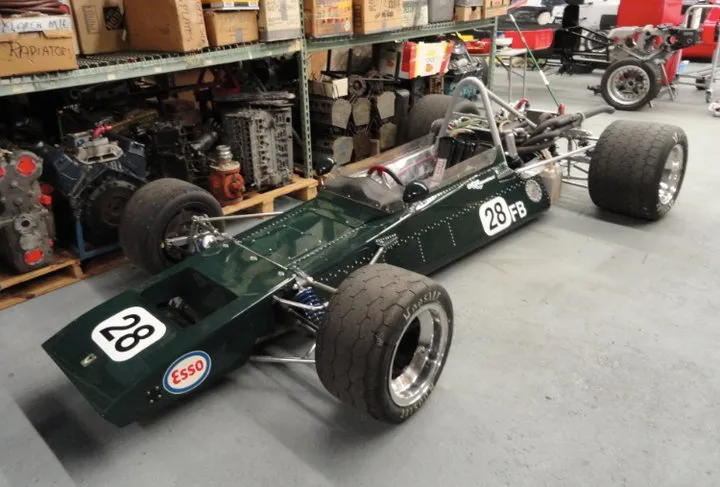
Utilizing the remains of the team's 1970 Winkelmann WDB2 Formula B car as a basis, the squad went about building an aluminum monocoque/space frame Formula B chassis that was intended to run the entire SCCA Pro Formula B Championship.
Powered by a Hutchison Racing Enterprises Lotus Twin Cam engine and put into motion by a Hewland FT200 gearbox, the Cicada's profile was much lower than many of its round-bodied contemporaries.
Current Location: Hubertus, Wisconsin
GJS Photography
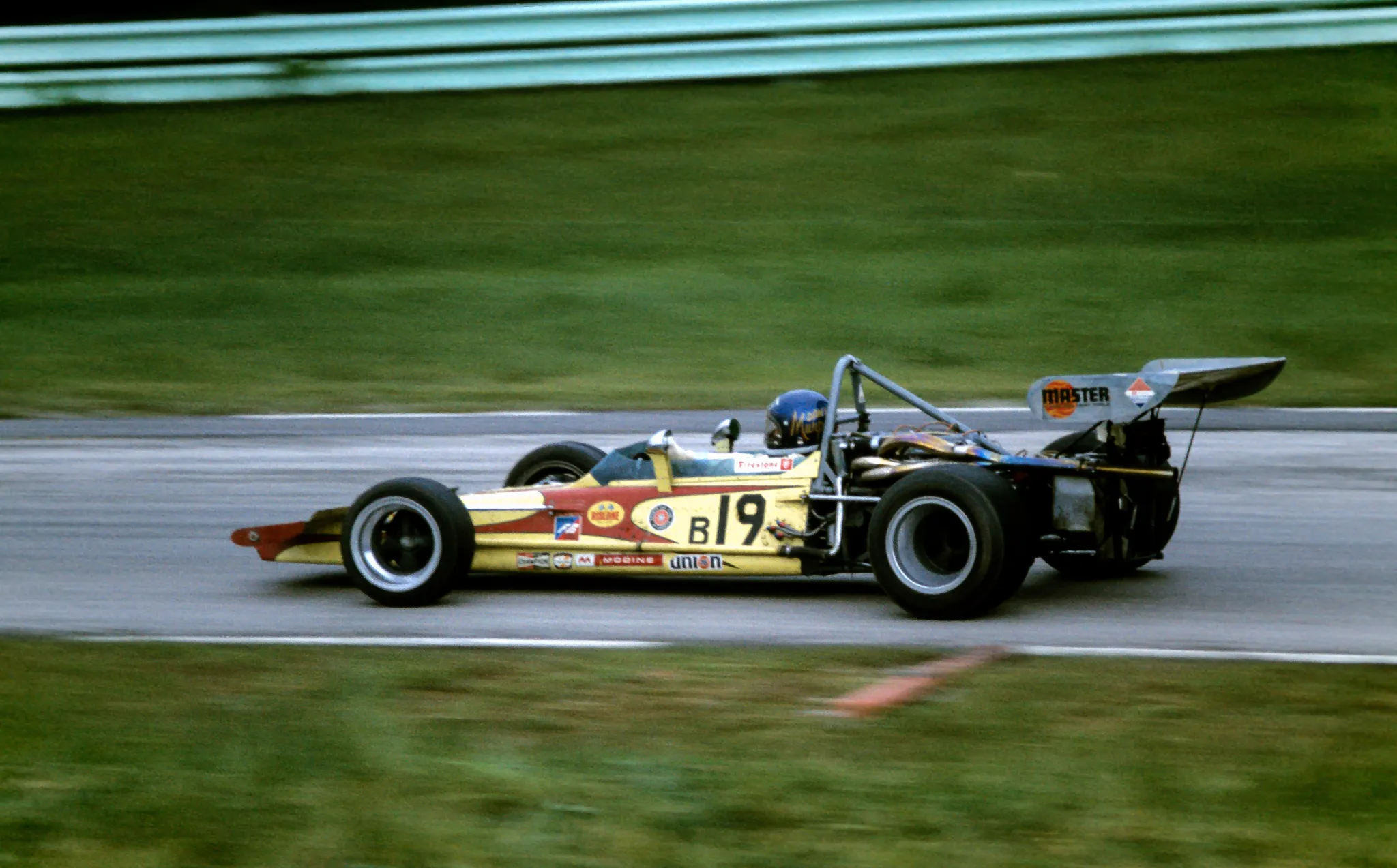
While Mk. 1 had a steady career that went into the mid 1970s, the only known race on record for Mk. 2 was the team's initial foray into the SCCA Pro Formula B category as the Cicada operation, at the August 1971 Road America. Gus Hutchison himself drove the Mk. 2, though teething troubles saw to it that it didn't see out its first race.
The main difference between Mk. 1 and Mk. 2 is the fact that the Mk. 2 is a full monocoque design, utilizing sheet magnesium to do the heavy lifting in creating a sturdy racing car.
Like Mk. I, Mk. II was powered by an HRE Lotus Twin Cam coupled to a Hewland FT200 gearbox.
Current Location: Arvada, Colorado
Can-Am Cars Ltd. Photo

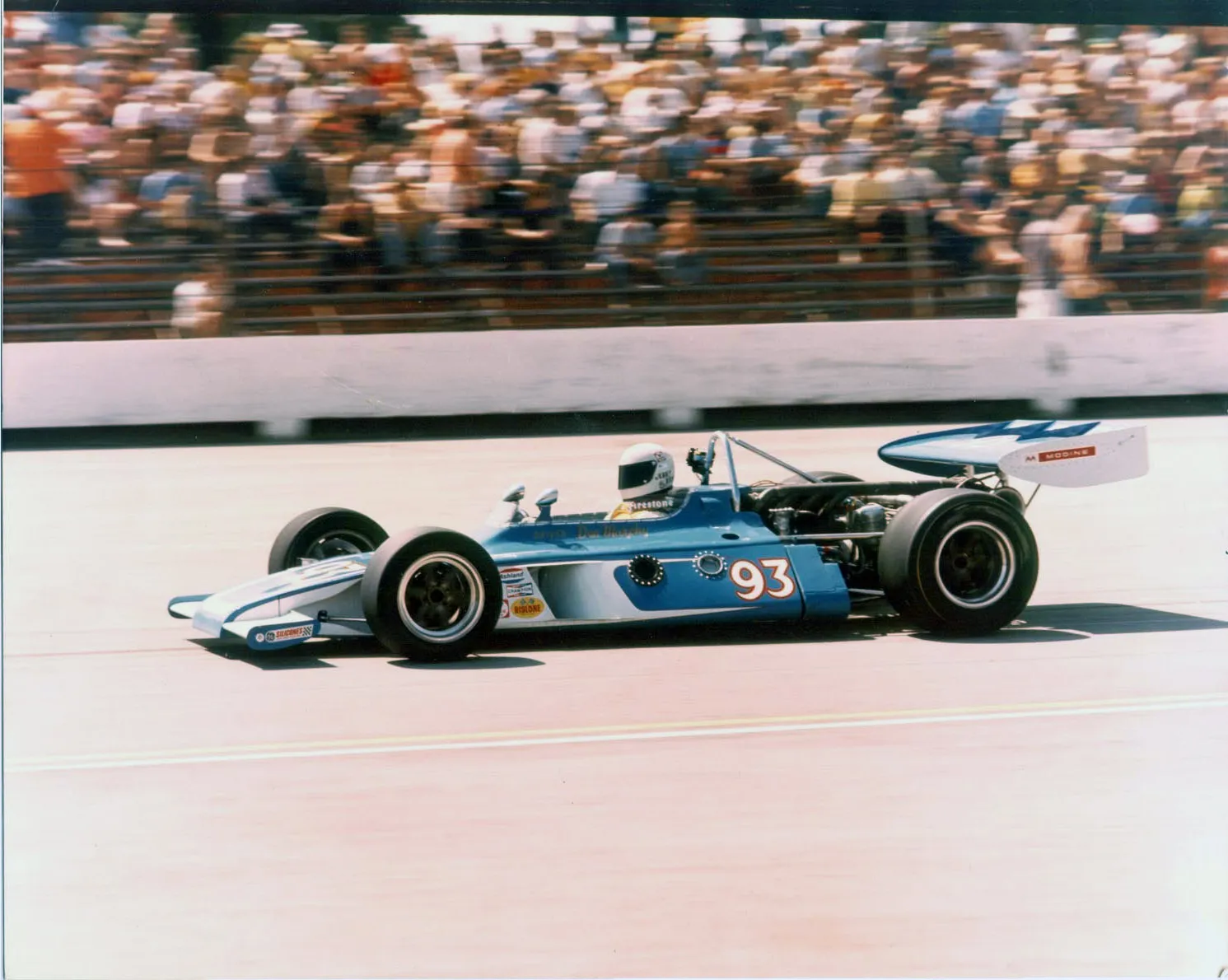
Cicada's entry into USAC IndyCar racing first occured in the 1972 season, when the small team joined up with Leader Cards Racers as a backup entry for the 1972 running of Indianapolis 500.
More soon...
Current Location: Destroyed at Phoenix International Raceway in November, 1974
Dan Murphy Collection Photo

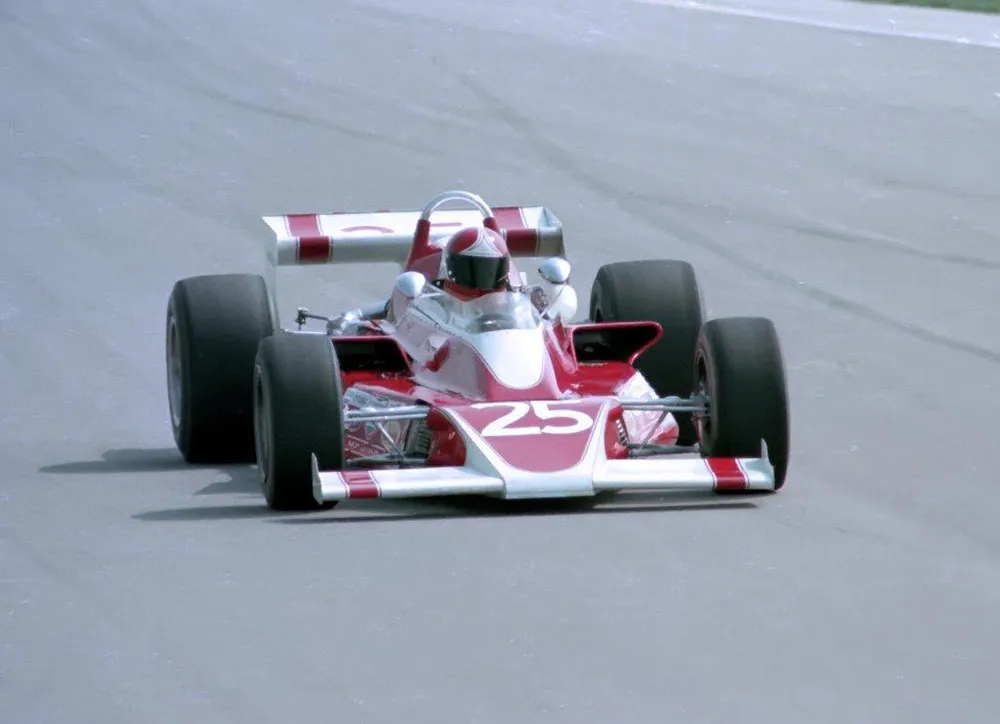
The final Cicada. Intended to run a Ferrari V-12 engine, the power plant was shelved in favor of the Drake-Offenhauser 159ci turbocharged power plant when time was lost for the team following the destruction of Mk. III at Phoenix in the fall of 1974.
More soon...
Current Location: Indianapolis, Indiana
IMS Photo